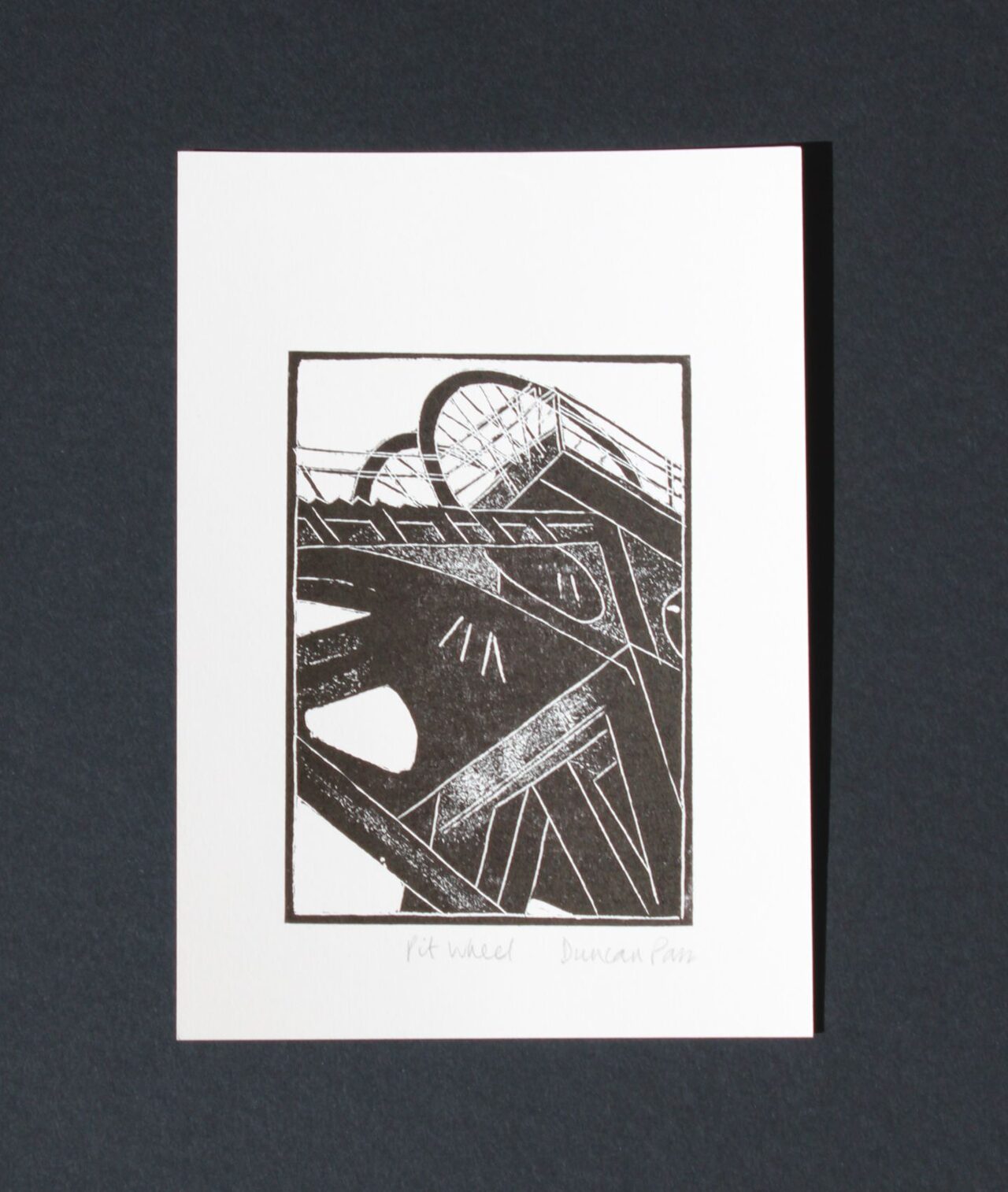
Browse Duncan Pass Artwork For Sale
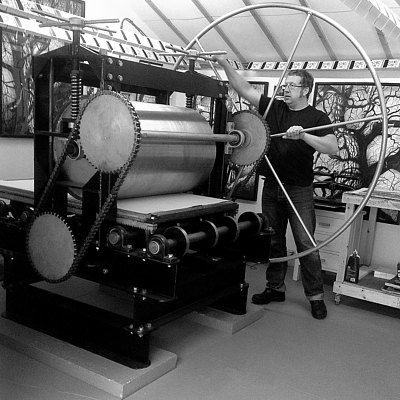
After finishing art school, Duncan had no funds to buy an expensive printing press. Having packed in a job to go to university however, he wasn't about to let a lack of equipment stop him. Instead, he decided to build his own!
Duncan's mother was a potter, and as a child he helped her build kilns in their back garden, learning how to take a craft back to its elemental roots: "You don't have to buy it, you can take basic materials, and build it."
Inspired by these memories, Duncan began to research the Gutenberg era - which began in the mid 1400s when Geman inventor Johannes Gutenberg designed and built the first known mechanized printing press in Europe.
Together with help from a friendly local engineering company, Duncan eventually went on to build two large presses out of RSJ girders, and has since converted several Victorian washing mangles into portable printing presses which he takes out to fairs and workshops. He also has some smaller, cast iron book presses which complement the home made presses.
He believes building his own press has had a positive impact on his work because it's given him a deep understanding of how to make a print from the ground up: "Using a ready-made machine, all you do is make the print; meaning you don't have to think about where it came from or understand how it works."
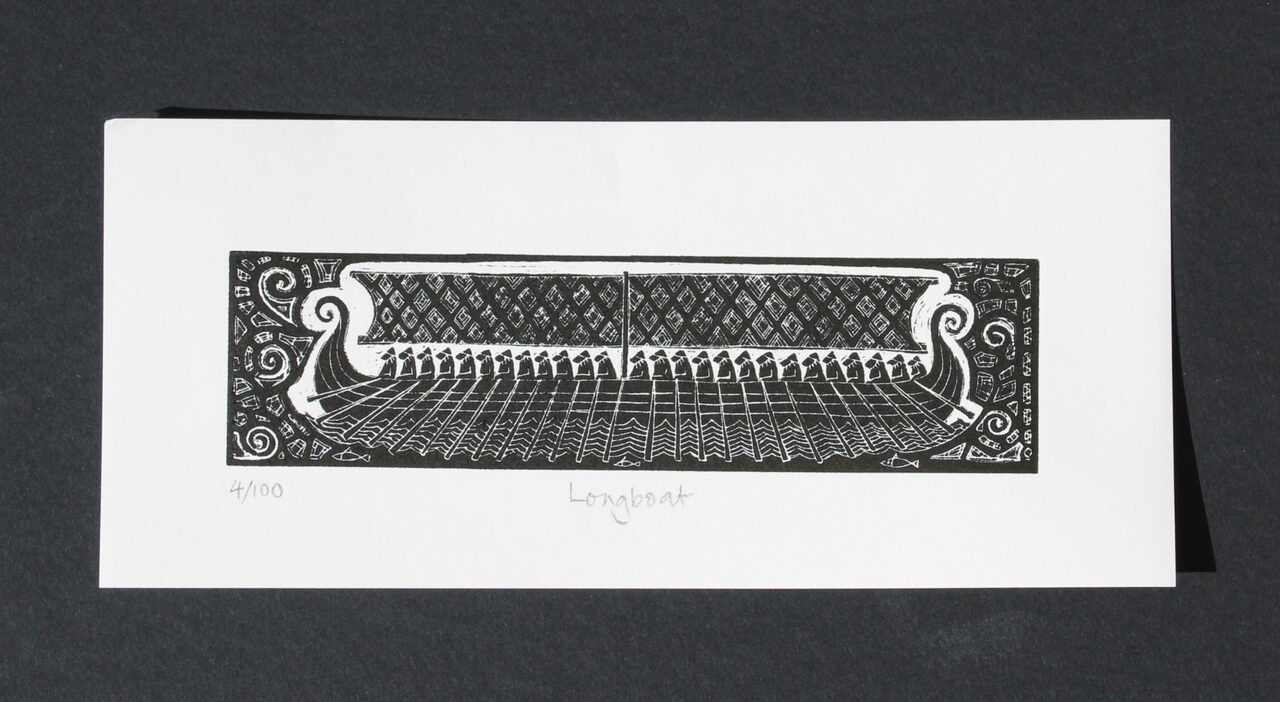
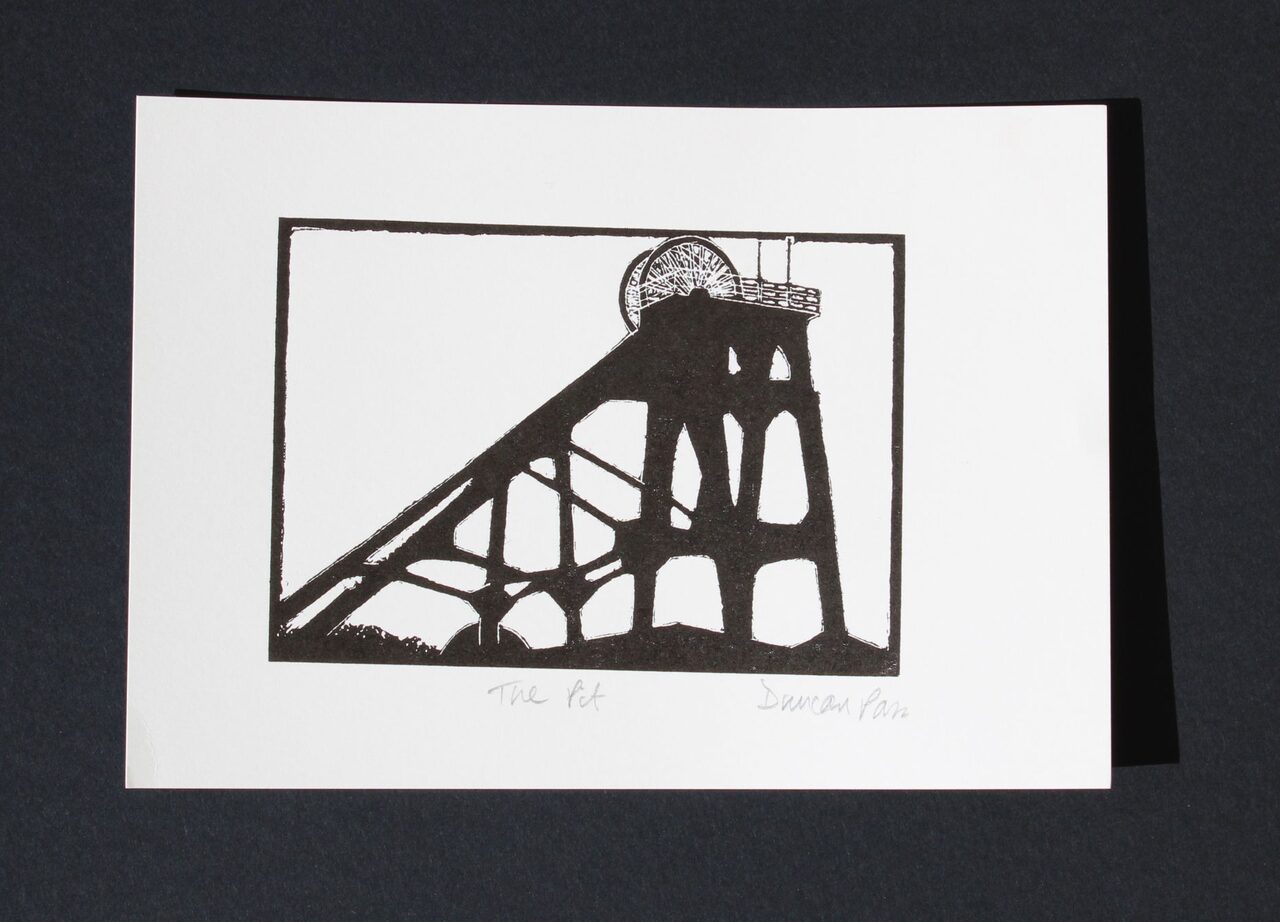
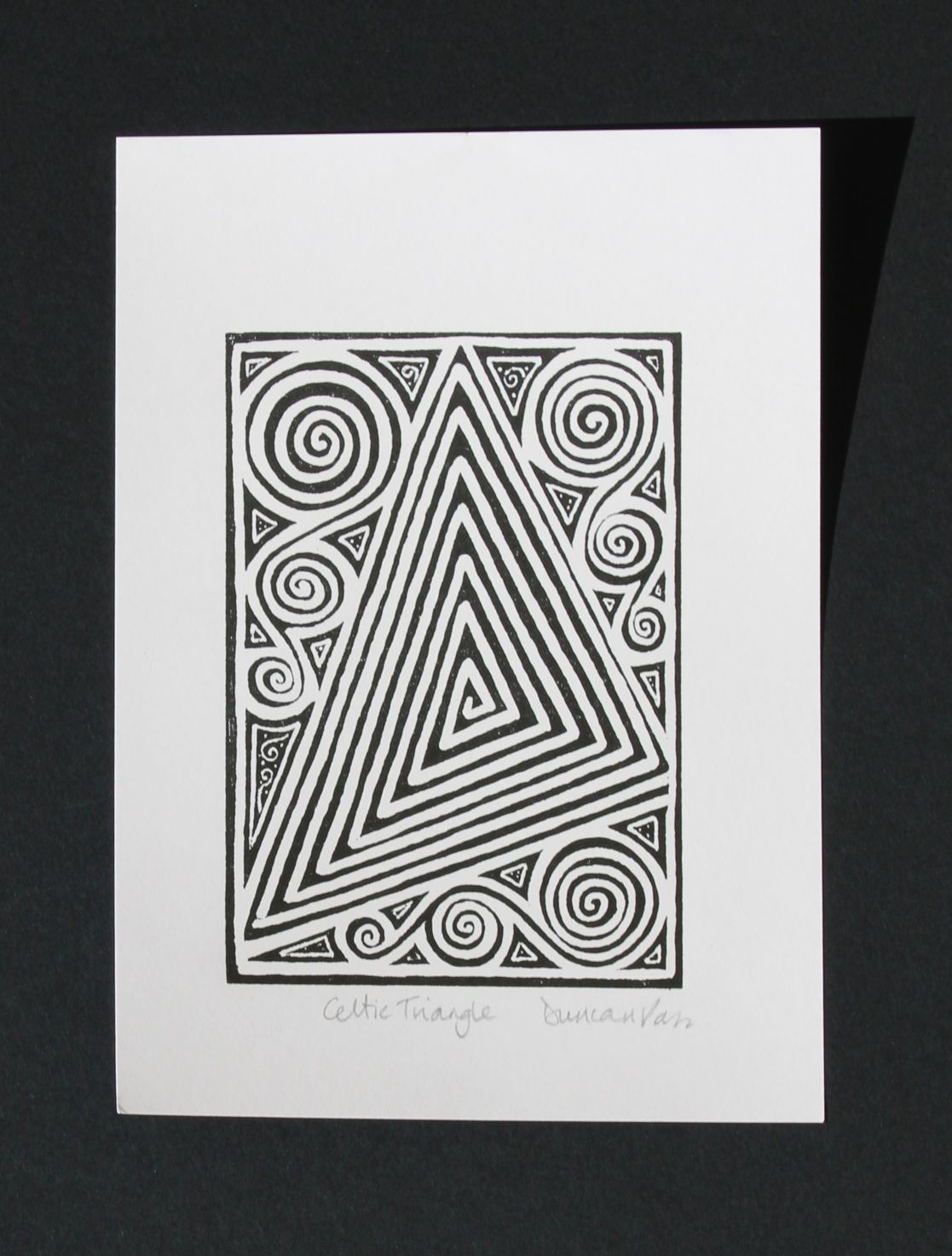
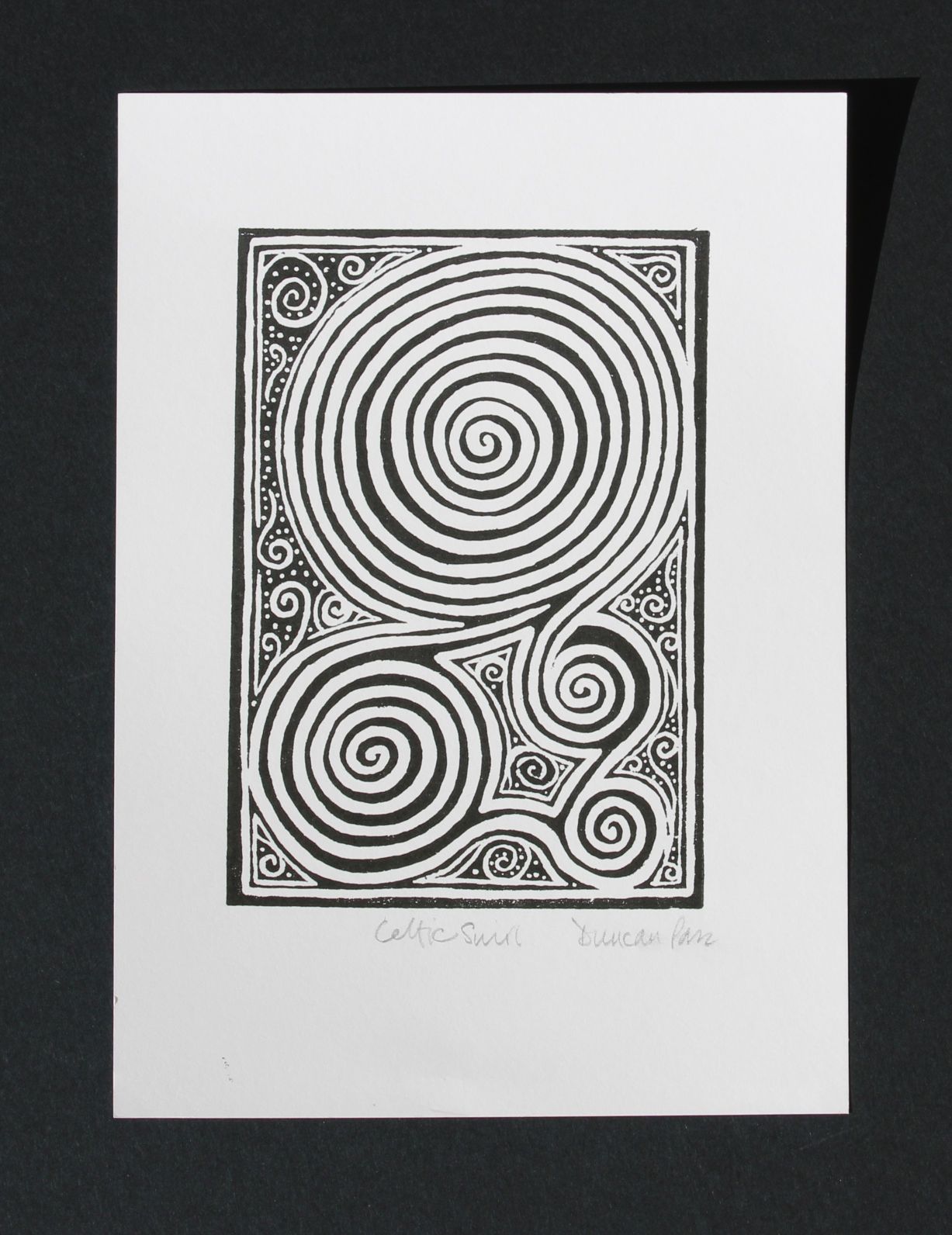
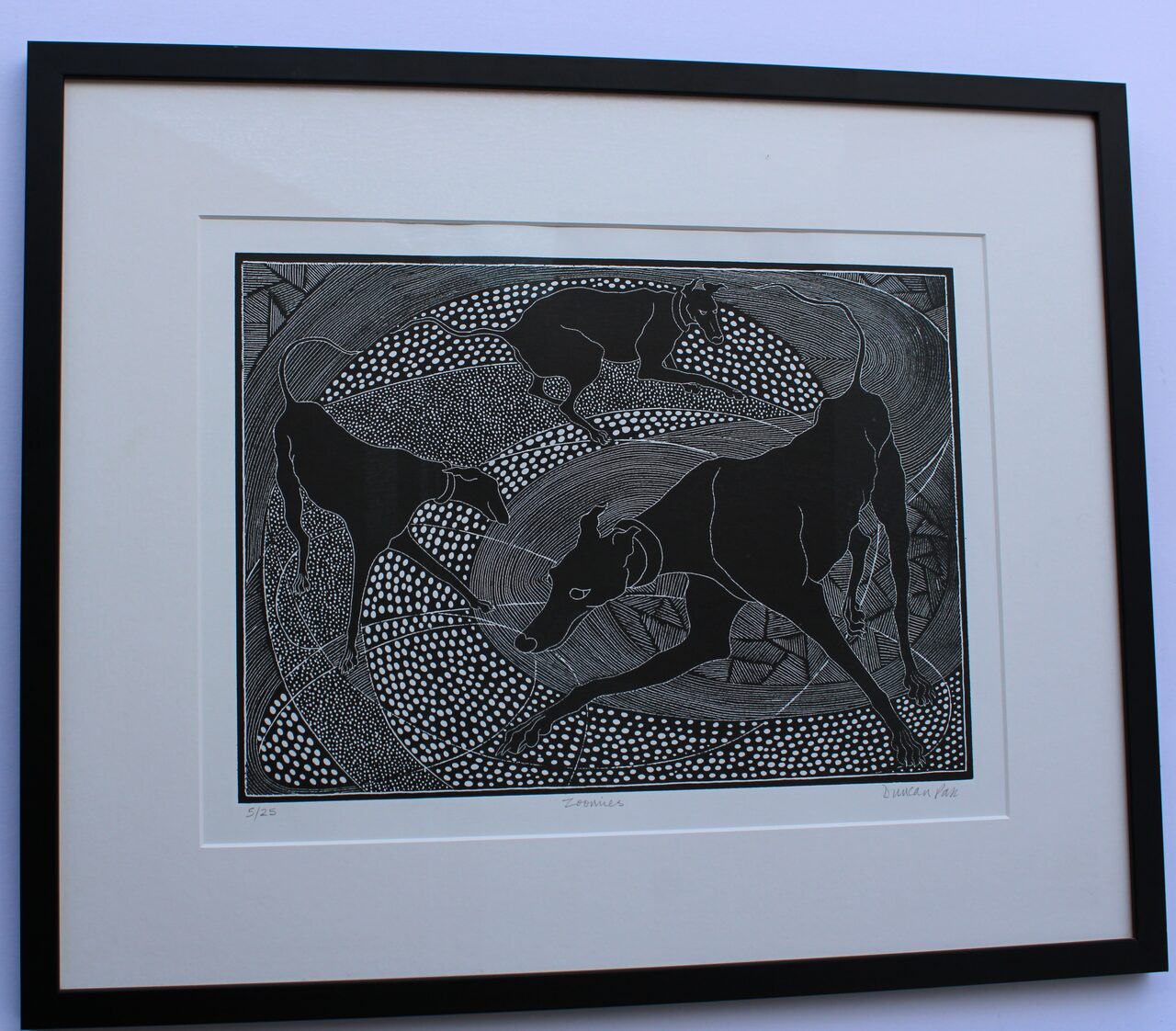
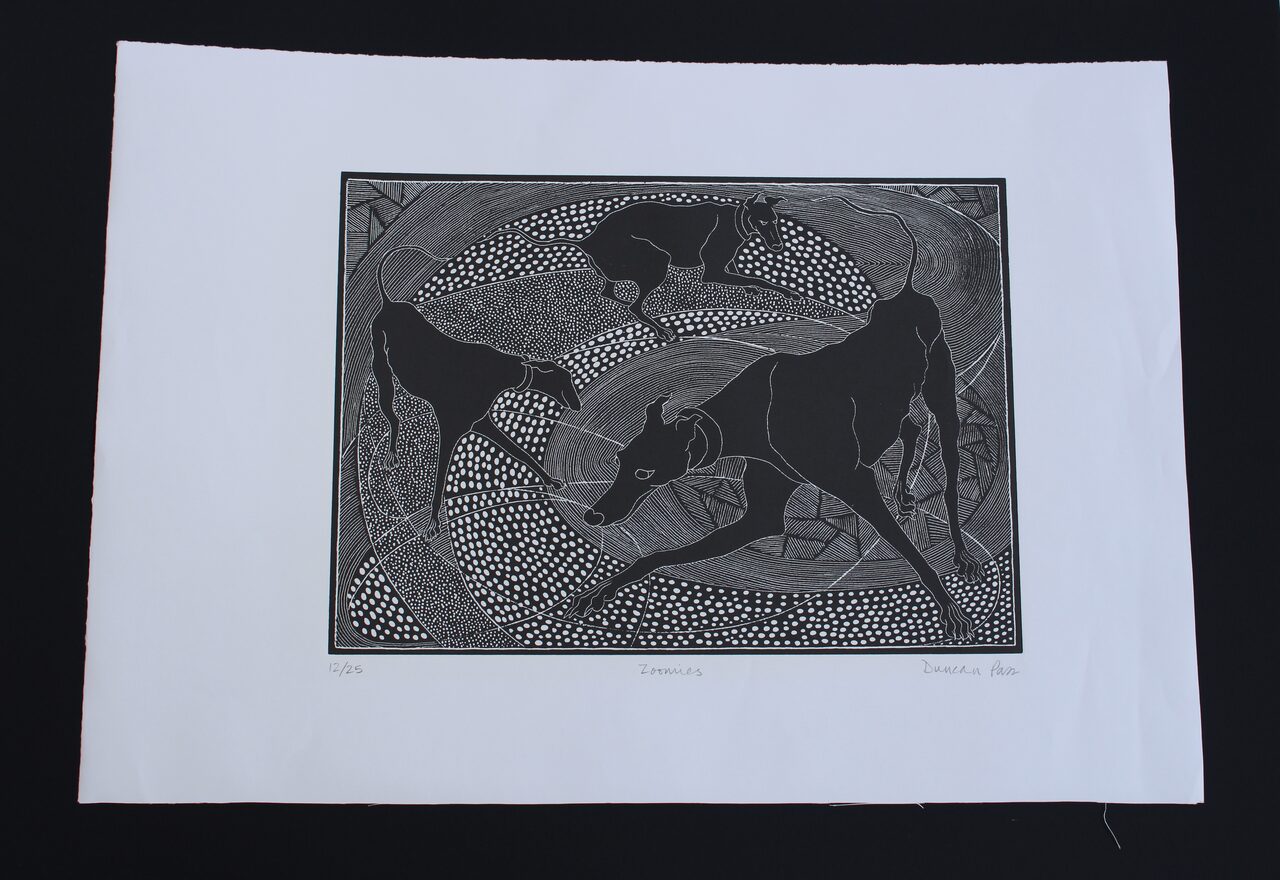
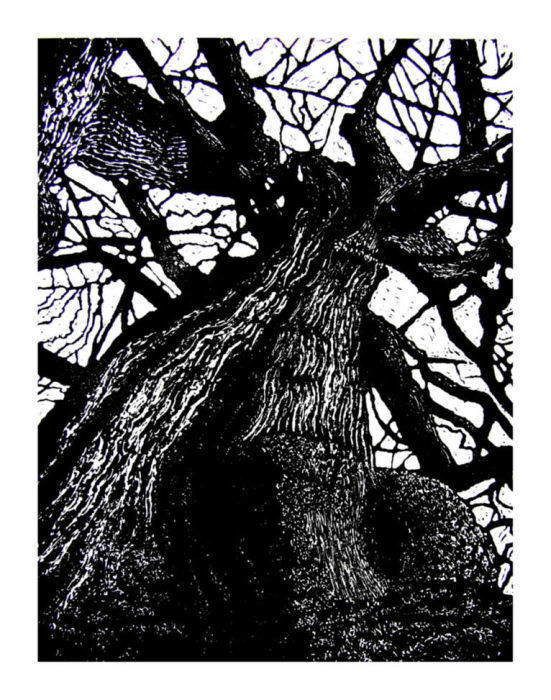
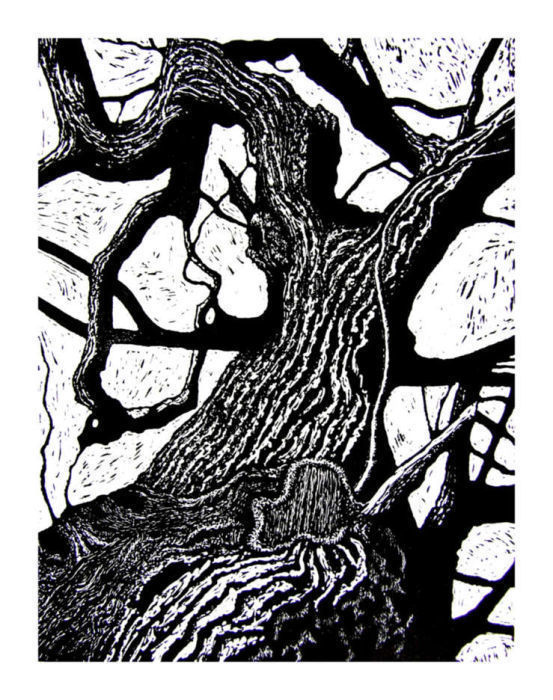
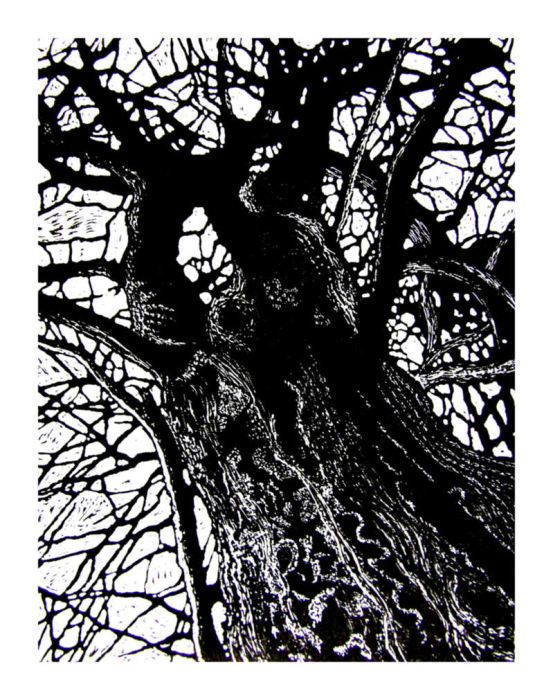
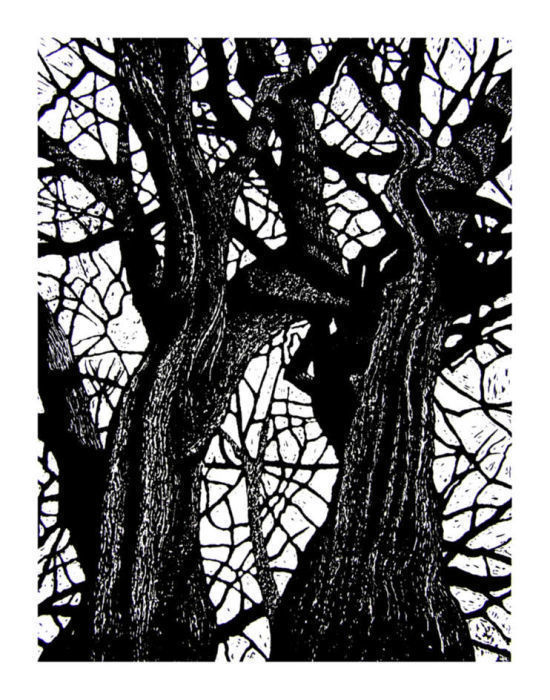
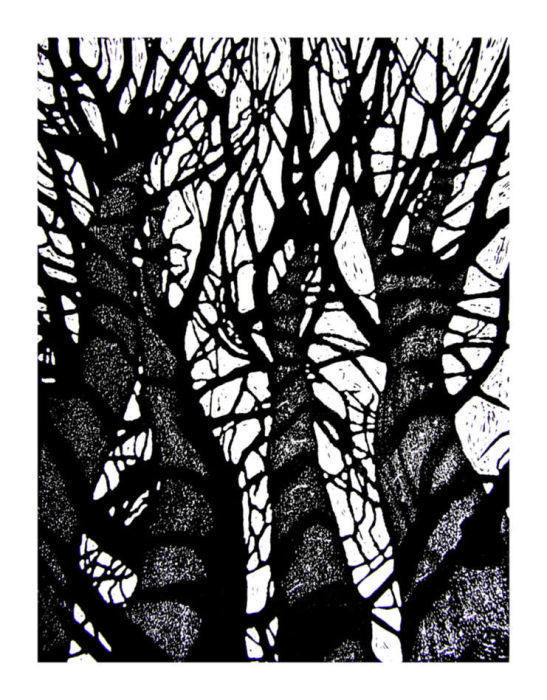
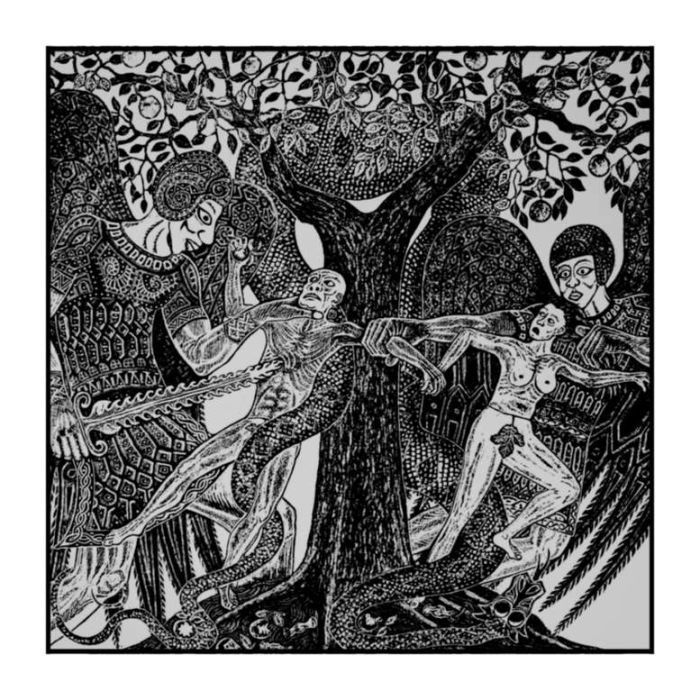
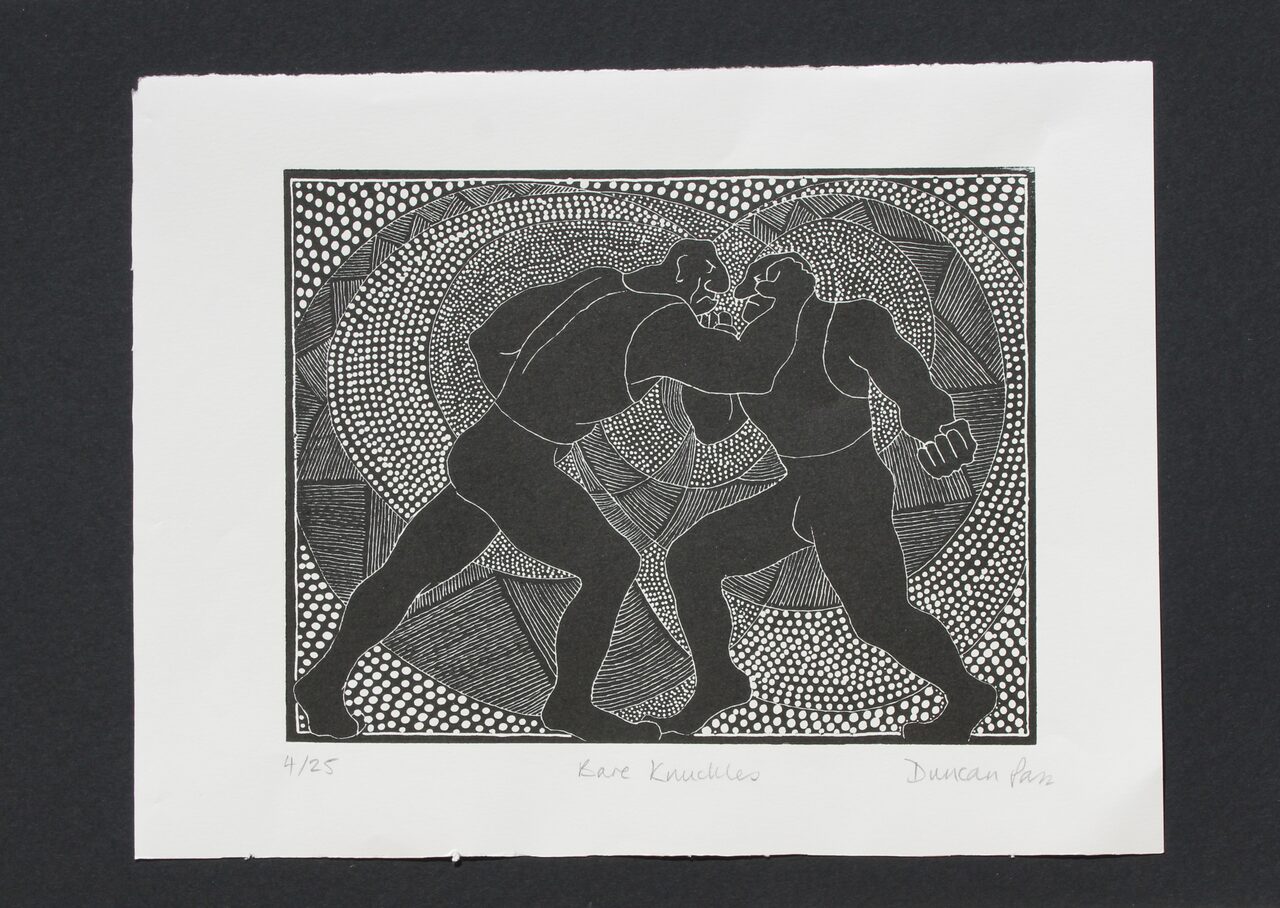
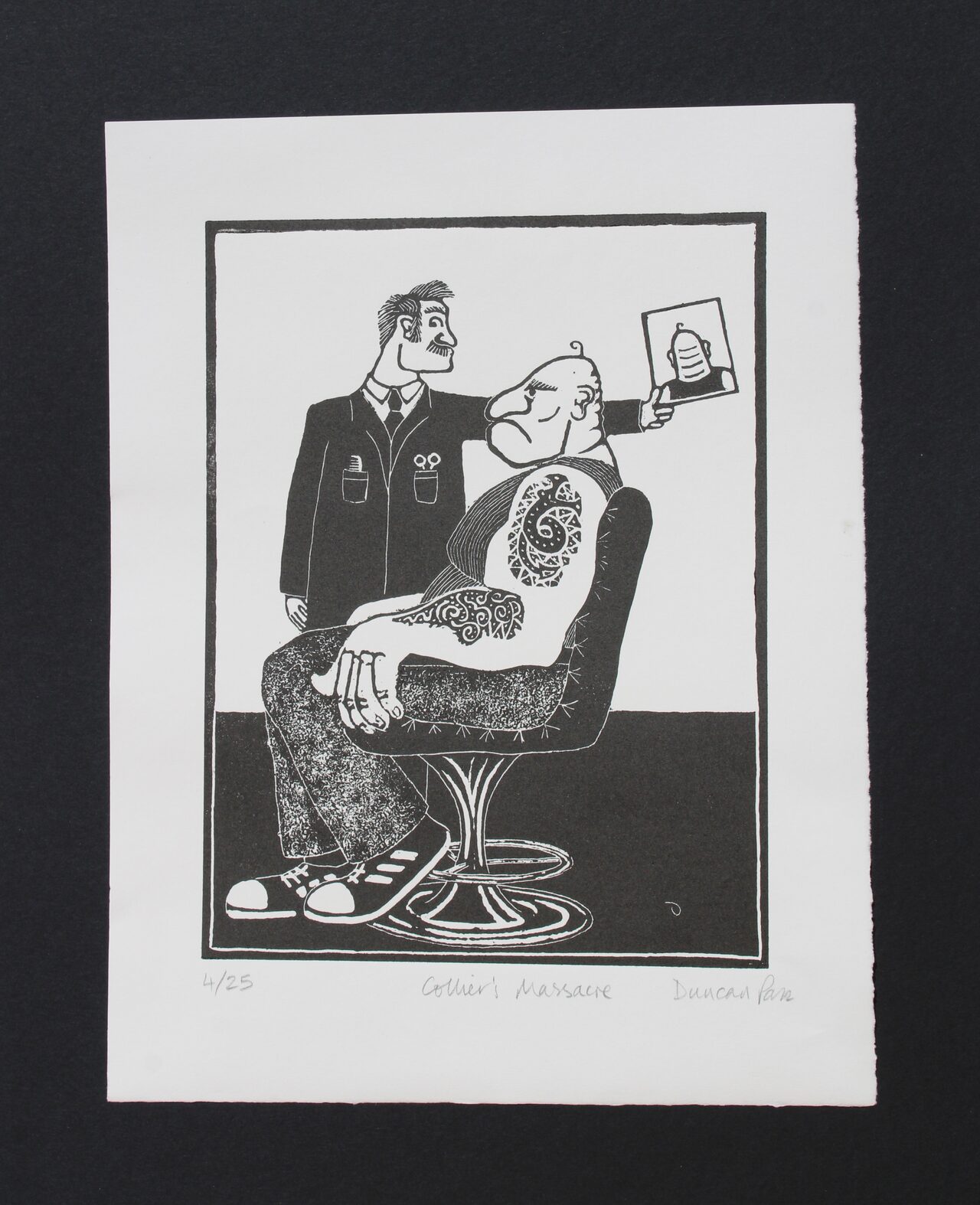
Duncan's interest in printmaking is primarily relief printing and woodcut which don't require any chemicals, meaning the process is safe and non-toxic and there's no poisonous waste to dispose of, or any need for specialist safety equipment. He employs drypoint methods as well as using chisels and drills.
Although I love traditional drawing and painting, doing a single drawing can take weeks, and you only have the one piece of work at the end of it, whereas with a printing plate I can keep taking impressions.
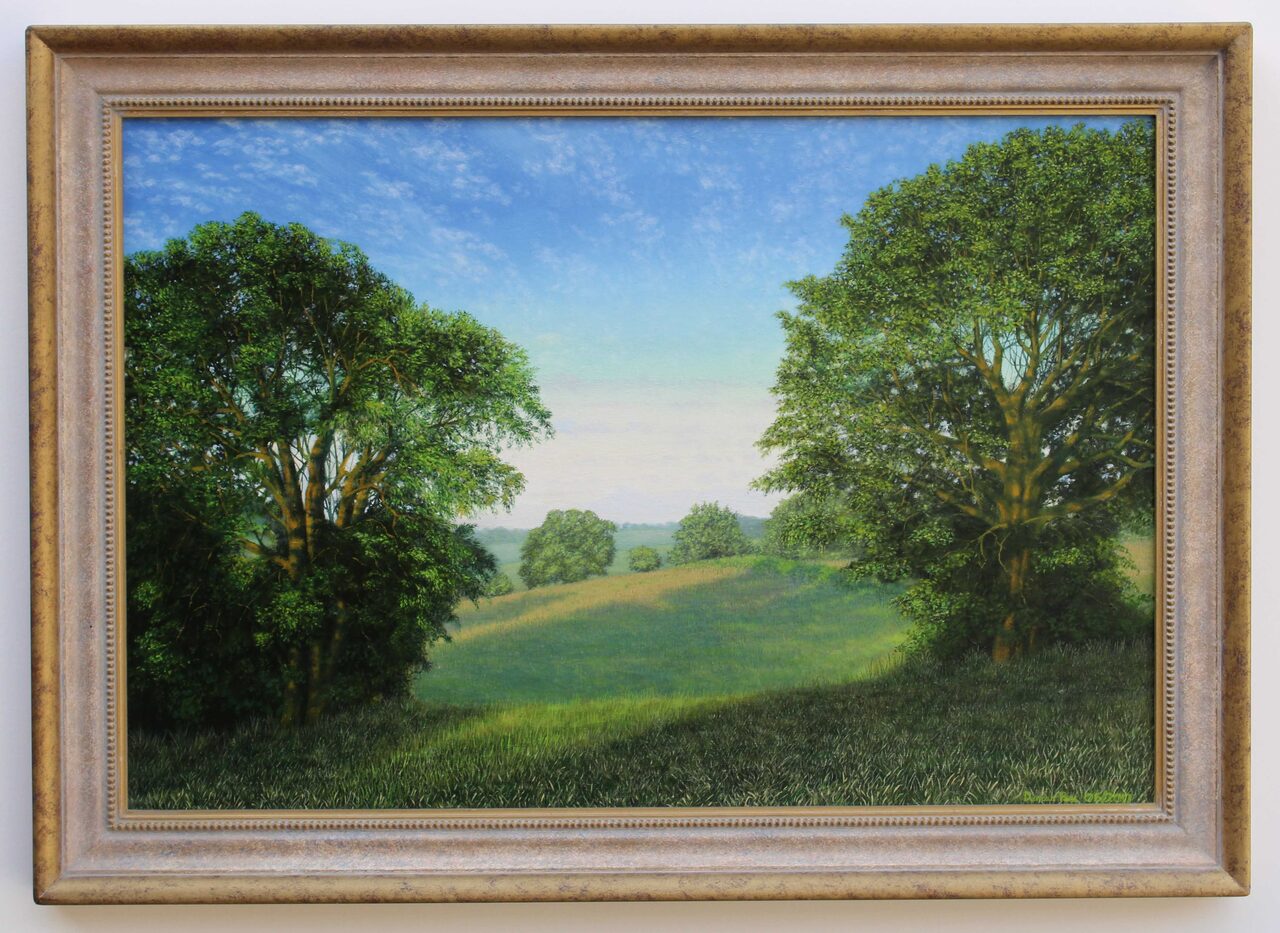
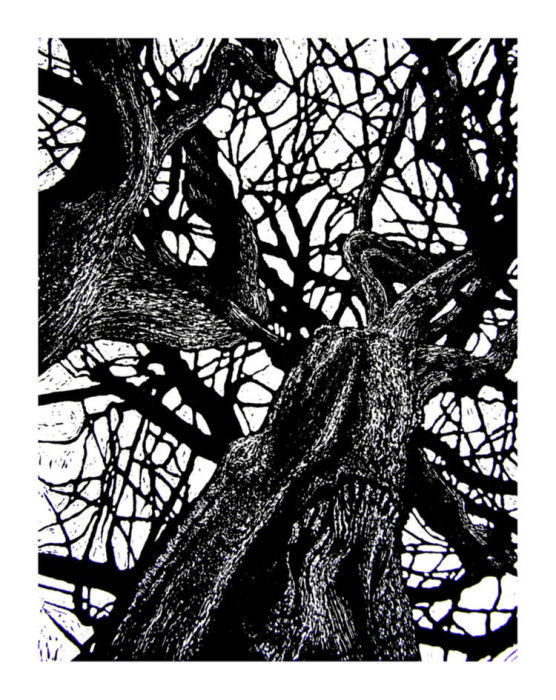
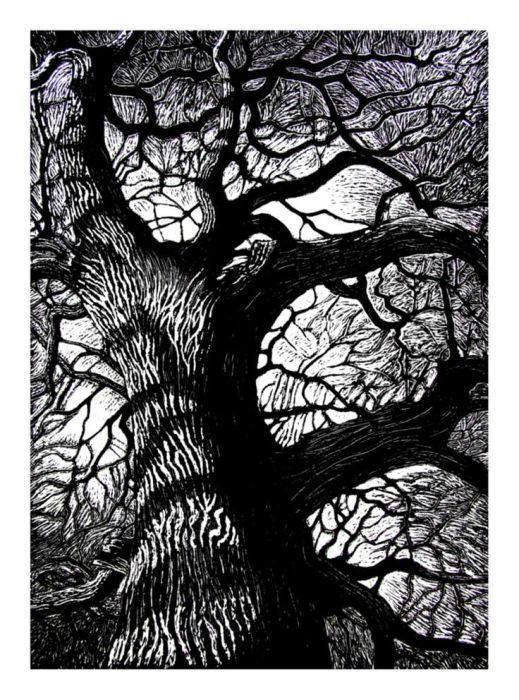
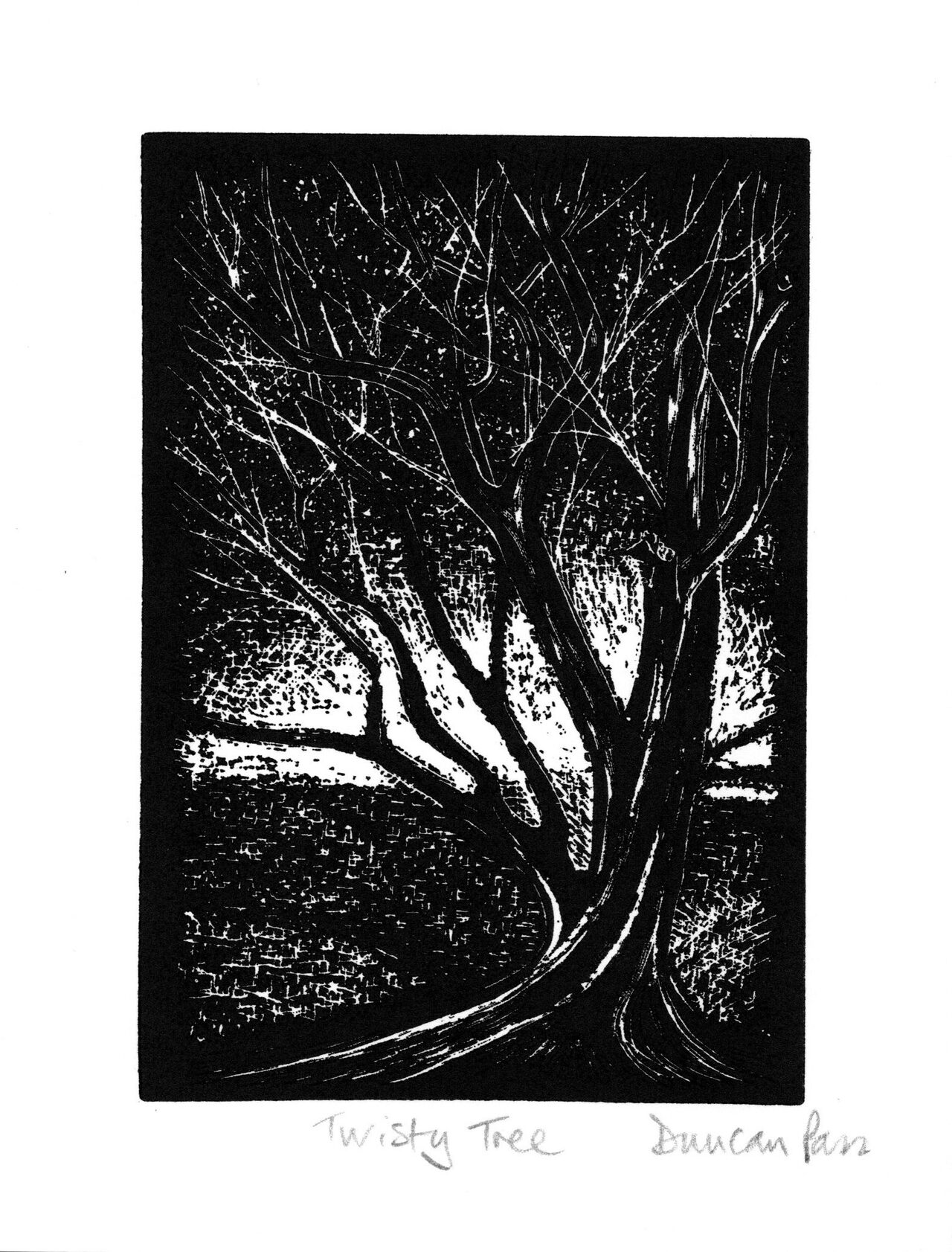
As an artist, Duncan's perennial subjects are landscape and trees. He's also an animal lover who has spent years rescuing ex-racing greyhounds.